
Avoiding Pitfalls: The Top 5 Mistakes in Operating a Hybrid Vehicle
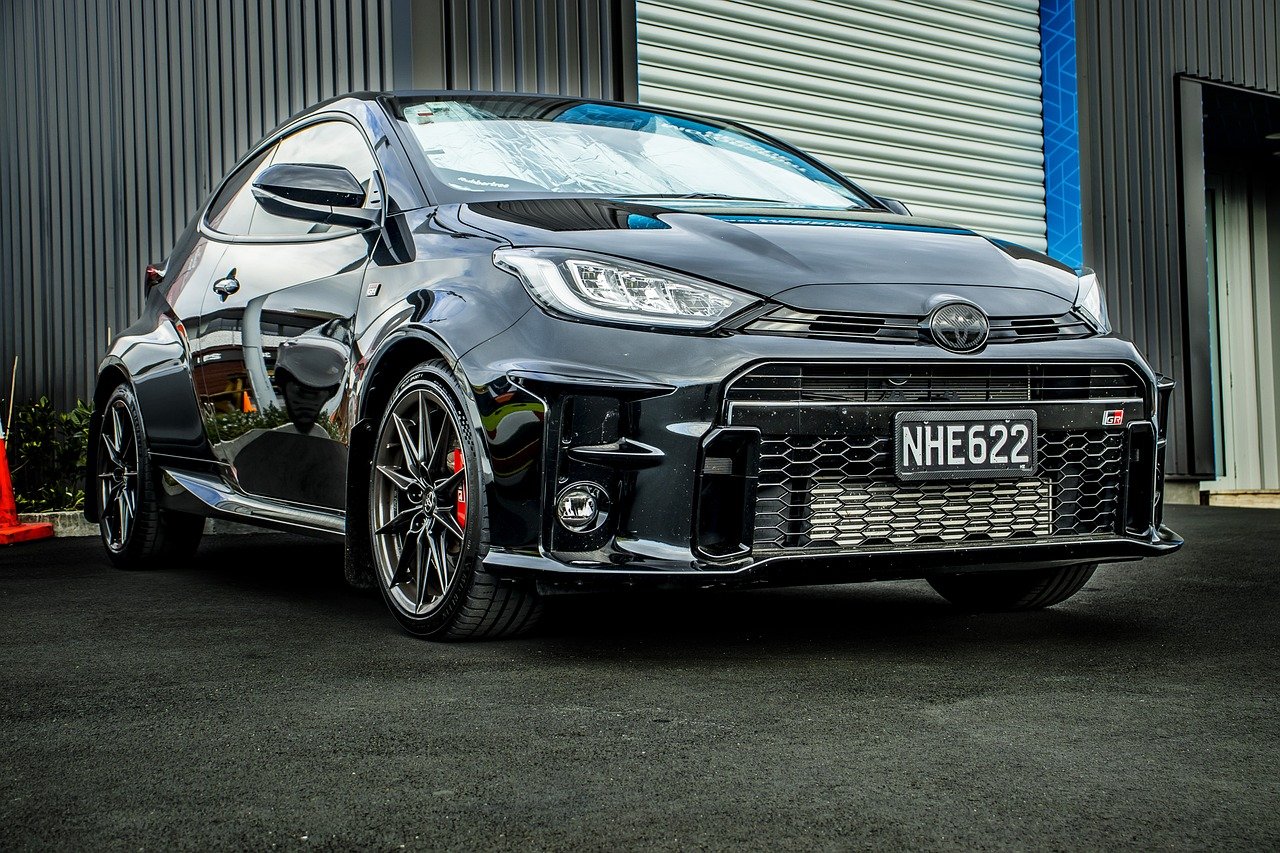
Hybrid vehicles have become increasingly popular due to their eco-friendly nature and fuel efficiency. Combining the power of a traditional internal combustion engine with an electric motor, hybrids offer the best of both worlds. However, to maximize the benefits of driving a hybrid, it’s crucial to understand how to operate them effectively. Many new hybrid owners unknowingly make mistakes that can impact the vehicle’s performance, fuel economy, and lifespan. This article’ll explore the top mistakes to avoid when operating a hybrid car, especially after rijbewijs in het buitenland halen, to ensure a smooth, efficient, and enjoyable driving experience.
Overlooking the Importance of Regenerative Braking
 One of the key features of hybrid vehicles is regenerative braking, which captures energy that would otherwise be lost during braking and uses it to recharge the battery. Many drivers are accustomed to conventional braking and may not fully utilize regenerative braking. To make the most of this feature, apply gradual braking instead of sudden stops.
This improves battery recharge and reduces wear and tear on the brake pads, extending their lifespan. Understanding and using regenerative braking can significantly improve your hybrid’s efficiency and performance.
Ignoring Regular Maintenance
While hybrid vehicles generally require less maintenance than traditional vehicles, they are not maintenance-free. Common mistakes include neglecting oil changes, failing to check tire pressure, and overlooking battery health. Hybrid batteries, although durable, still need occasional checks and maintenance. Regular servicing is essential to keep the hybrid system functioning optimally. Following the manufacturer’s maintenance schedule and seeking service from technicians experienced in hybrid vehicles can prevent costly repairs and ensure longevity.
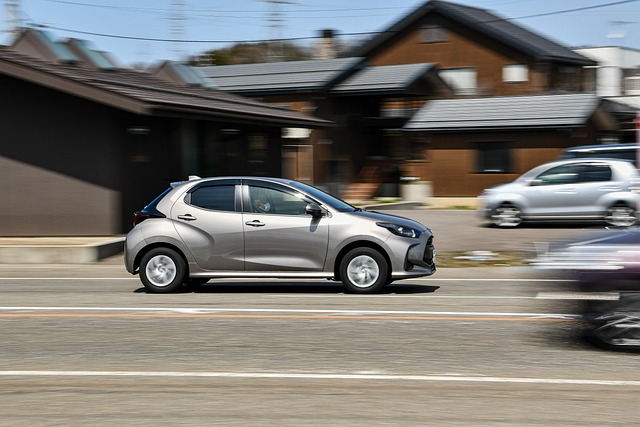
Using the Wrong Type of Fuel
Like all cars, hybrids have specific fuel requirements. Using the wrong type of fuel can damage the engine and reduce efficiency. It’s crucial to use the recommended octane level for your hybrid. Some hybrids are designed to run on regular unleaded gasoline, while others may require premium fuel. Always refer to the owner’s manual for the correct fuel type, ensuring the vehicle operates at its peak efficiency and prevents potential engine damage.
Failing to Monitor Battery Charge Levels
A common mistake among hybrid drivers is not paying attention to battery charge levels. While hybrids automatically switch between gasoline and electric power, keeping the battery adequately charged is essential for optimal performance. Frequent short trips can prevent the battery from maintaining a good charge, impacting fuel efficiency. Including longer drives in your routine is beneficial, allowing the battery to recharge fully. Understanding your vehicle’s charging patterns can help you maximize its electric capabilities.
Not Adjusting Driving Habits
 Driving a hybrid requires a shift in driving habits to maximize efficiency. Aggressive driving, such as rapid acceleration and high-speed driving, can diminish the benefits of hybrid technology. Instead, adopt smooth acceleration, maintain a steady speed, and use cruise control when appropriate. These practices help maintain optimal battery use and improve fuel economy.
Hybrid vehicles perform best with a relaxed driving style, which can also contribute to a more enjoyable driving experience. Hybrid vehicles are a smart choice for environmentally conscious drivers looking to save on fuel costs. However, to truly benefit from what hybrids offer, avoiding common pitfalls in their operation is important. You can ensure your hybrid vehicle runs efficiently and effectively by making the most of regenerative braking, keeping up with regular maintenance, using the correct fuel, monitoring battery charge levels, and adjusting driving habits. Embrace these practices, and your hybrid will reward you with a reliable, eco-friendly, cost-effective driving experience.…