
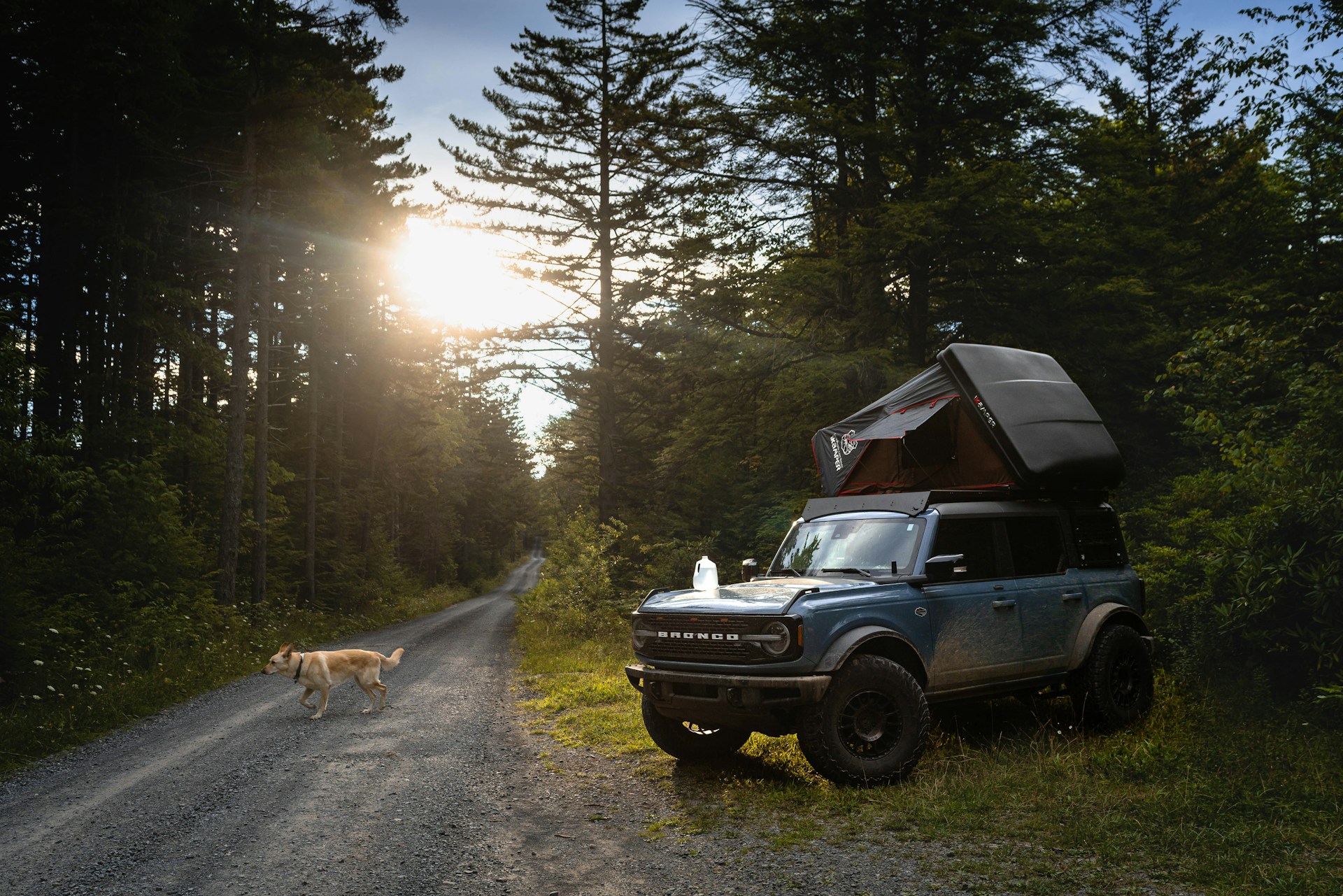
Overlanding is basically road-tripping with better views and more dust in places you didn’t know existed. It’s also a magnet for impulse buys. One scroll online and suddenly you’re pricing rooftop tents like you’re building a safari truck for a documentary crew. Here’s the good news. You don’t need a rolling space station to start. You need the stuff that keeps you safe, comfy, and unstuck, plus a little organization so your car doesn’t become a moving junk drawer.
Start With Tire Stuff Because Tires Are Your Life
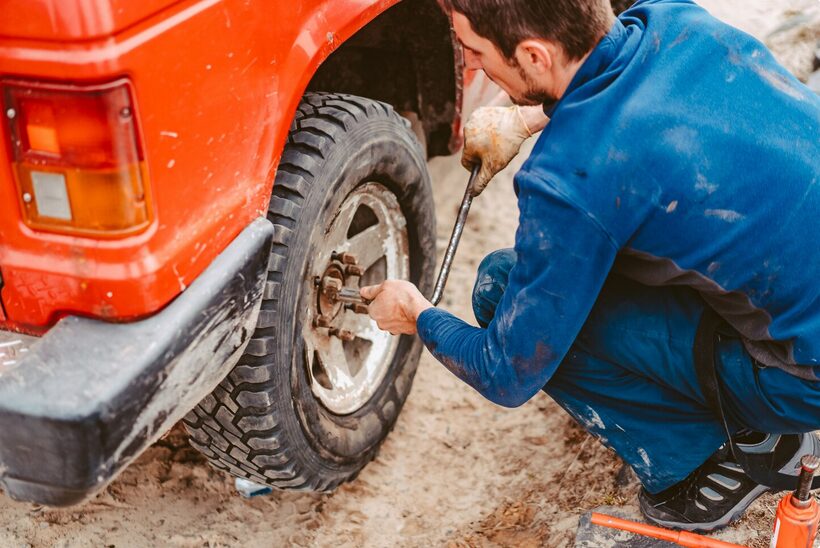 Tires are the handshake between your vehicle and the planet. If they’re unhappy, you’re unhappy. A portable air compressor is the first buy that makes sense because airing down and airing up is part of the game. Lower pressure helps traction on sand and rough trails, and you’ll want to reinflate before pavement. Add a simple tire pressure gauge, and you’re already acting like you know what you’re doing. Now for the part nobody posts on Instagram: punctures happen. Grab a tire plug kit and keep it in the car. It’s small, cheap, and can save a trip that would otherwise turn into a tow bill and a sad sandwich. Pair it with a basic valve stem tool, and you’ve got a tiny pit crew in your glovebox.
Recovery Basics So You Don’t Become Trail Decor
Overlanding isn’t about getting stuck, but it does happen. Sand, mud, loose gravel, surprise ruts. You don’t want your vehicle to become a permanent landmark on a back road. Start with traction boards if you go anywhere soft, because they can get you moving without drama. They also double as a leveling tool for sleeping, which is very underrated. Next, get a proper recovery strap rated for vehicle recovery, not a random rope. Add two rated shackles and a pair of work gloves, because hot metal and gritty straps are not a love story. A small shovel is a hero item, too. Digging a bit around tires can be the difference between leaving in five minutes or starring in a “help” video.
Comfort Gear That Doesn’t Cost a Mortgage

You don’t need a rooftop tent to sleep well. Start with a solid sleeping pad or an inflatable mattress that fits your vehicle. A good bag or quilt matters more than fancy hardware, especially if nights get cold. If you wake up miserable, you won’t want to go again, and that’s the real fail. Cooking can also stay simple. A compact stove, a lighter, and one sturdy pot can cover most meals. Add a small cooler or 12V fridge later, after you know your style of travel. For now, focus on food that doesn’t need a full kitchen audition. And bring a headlamp, because using your phone flashlight while cooking makes you look like you’re telling ghost stories to noodles.
Power and Lighting That Actually Helps
 Power is a slippery slope. It starts with charging a phone and ends with people running espresso machines next to a river. As a beginner, a quality power bank can handle basics like phones, lights, and small gadgets. If you run a fridge or camp a lot, then a portable power station becomes a sensible step. Keep it simple so you don’t spend your trip babysitting battery percentages. Lighting is non-negotiable. A headlamp is your best friend because hands-free is life. Add one lantern or a small LED bar light for the camp area. Warm light is nicer at night, and harsh white light makes everything feel like an operating room. Also, pack spare batteries or a charging cable, because dead lights turn simple tasks into a comedy show.